
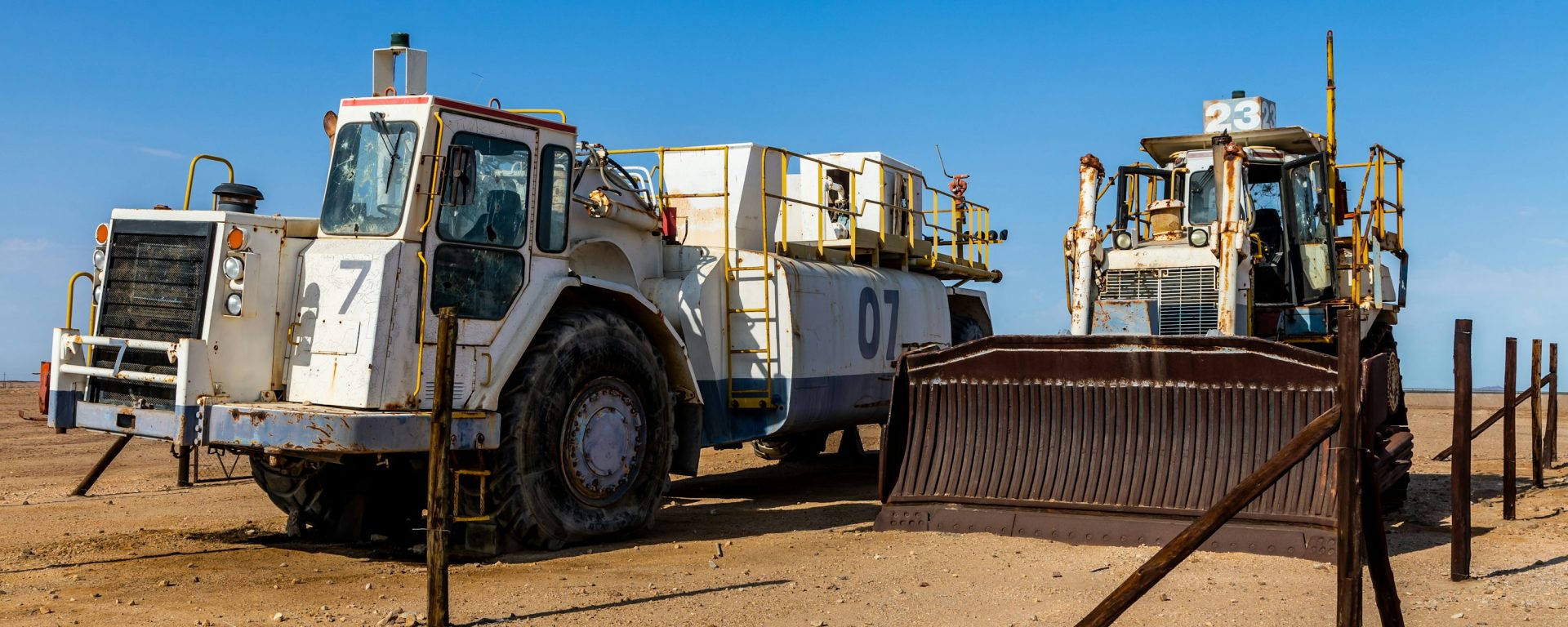
Every successful construction project begins long before concrete is poured or steel goes up. It starts with the ground beneath — shaped, leveled, and prepared through a carefully coordinated process. An integrated approach to earthmoving ensures precision, stability, and efficiency, whether it’s for a residential build, commercial site, or large civil works. When done properly, earthmoving Dubbo projects demonstrate just how vital each stage is to the structure’s long-term performance.
The Foundation of Every Project
Earthmoving isn’t simply about moving soil; it’s about understanding the land and shaping it to meet design and engineering requirements. The process combines surveying, excavation, trenching, site cuts, grading, and compaction; each step building on the last. A well-sequenced workflow ensures that every part of the site preparation aligns with the project’s structural goals and environmental considerations.
Surveying marks the starting point. It defines boundaries, elevations, and reference points that guide all subsequent work. Accuracy here prevents costly rework later. Once the plan is in place, excavation and trenching form the first physical transformation of the site, removing unwanted material and creating space for foundations, utilities, and drainage.
Excavation and Trenching: Setting the Stage
Excavation involves removing soil or rock to create cavities for foundations, basements, or structural footings. Skilled operators manage cut depths, slopes, and soil stability, ensuring that the excavation supports the intended load while maintaining safety and precision.
Trenching follows closely, carving narrow channels for electrical conduits, water lines, and drainage systems. Because trenches are typically deep and confined, proper shoring, safety barriers, and soil testing are critical. Coordination between surveyors, operators, and engineers ensures alignment and avoids interference with underground services.
Site Cuts and Grading: Shaping for Stability
Once excavation and trenching are complete, site cuts shape the land to the exact levels specified by engineers. This stage is about balance: cutting high areas and filling low ones to achieve a level, stable platform. Contractors often aim for a “cut and fill” balance, minimizing the need to import or export soil and reducing environmental impact.
Grading refines this further. Using precision machinery like motor graders and laser-guided systems, crews smooth and contour the surface to control water flow and create ideal drainage. Proper grading not only prevents erosion and water pooling but also ensures long-term structural integrity for whatever will be built above.
Technology in Modern Earthmoving
The use of GPS and laser-guided systems has revolutionized the way earthmoving teams operate. These technologies allow operators to achieve millimeter-level precision, ensuring cuts and fills match digital terrain models exactly. Automated guidance systems reduce human error, speed up the process, and save fuel by minimizing unnecessary passes.
Beyond accuracy, digital modeling also enhances collaboration. Surveyors, project managers, and machine operators share data in real time, keeping everyone aligned on progress and preventing costly miscommunication.
Drainage Planning and Soil Stabilization
Proper drainage is often the unsung hero of any successful earthmoving project. Without it, even the most precisely leveled site can suffer from waterlogging, erosion, or shifting foundations. Engineers assess natural water flow, soil permeability, and expected rainfall to design drainage systems that protect the structure and the surrounding landscape.
Soil stabilization techniques, such as lime or cement treatment, improve the strength and durability of reactive or soft soils. These measures ensure the ground maintains its load-bearing capacity and resists seasonal changes in moisture and temperature.
The Human Element
Behind every efficient earthmoving project is a coordinated team. Surveyors define the blueprint, machine operators bring it to life, and engineers oversee quality and compliance. Open communication between these roles keeps projects running smoothly and safely. Attention to detail, proactive planning, and respect for environmental management are what distinguish a professional crew from the rest.
Conclusion
From the first survey stake to the final compaction test, integrated earthmoving is about precision, planning, and teamwork. Each stage, excavation, trenching, site cuts, grading, and compaction, contributes to a site that’s ready for construction success. When handled with expertise, even complex earthmoving dubbo projects run efficiently, stay on schedule, and provide a solid foundation for everything that follows. The best results come not from rushing the process but from mastering each layer, building strong foundations, quite literally, from the ground up.
 The Happiest Place on Earth